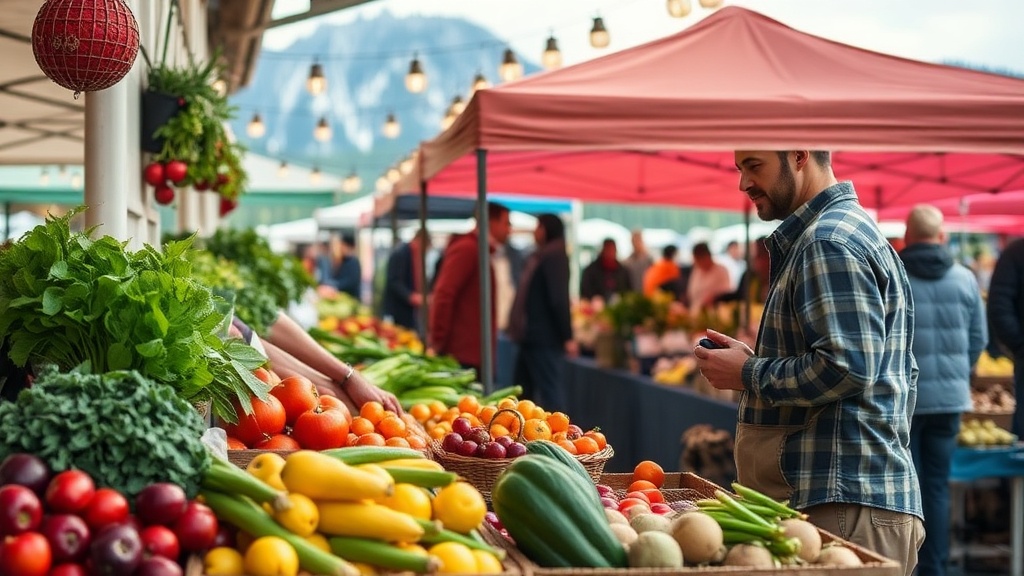
Seasonal Flavors Found at the Mont-Tremblant Farmers Market

Most people assume that finding high-quality, seasonal produce in Mont-Tremblant requires a trip to a high-end grocery store or a specialized boutique. That's a mistake. The real heart of our local food scene isn't found in a supermarket aisle; it's found right here at the Mont-Tremblant Farmers Market. This post breaks down exactly what you can expect to find during each season, how to spot the freshest produce, and how to shop like a local professional.
The market isn't just a place to grab a snack. It's a seasonal cycle that dictates what's on your dinner table for the next few months. If you aren't tracking the seasonal shifts, you're missing out on the peak flavors that make the Laurentians so special.
What Should I Look for in Summer Produce?
During the summer months, you should look for stone fruits, berries, and leafy greens that have been harvested just days—or even hours—before they reach your basket. Summer is the peak season for high-acid fruits and juicy vegetables that thrive in the Quebec sunlight.
When you walk through the stalls, look for berries that aren't bruised or leaking juice. You'll see plenty of strawberries, raspberries, and blueberries. These aren't the bland, watery berries you get in a plastic clamshell from a big-box retailer. These are the real deal.
Keep an eye out for:
- Strawberries: Look for deep red color all the way to the stem.
- Snap Peas: They should be bright green and crisp to the touch.
- Heirloom Tomatoes: These vary in shape and color, which is a sign of true variety.
- Fresh Basil: The scent is your best indicator of freshness.
One tip: don't be afraid to ask the growers about their soil or irrigation. Most local farmers here are incredibly proud of their land. They'll often tell you exactly which field those greens came from. It's a great way to learn about local agricultural practices in the region.
If you're planning a summer outing, remember to prepare your perfect picnic for a day at Lac Tremblant using these fresh finds. A basket of local berries and fresh bread makes a huge difference.
When is the Best Time to Buy Fall Harvest Items?
The best time to buy fall harvest items is between late August and October, when hearty root vegetables and gourds become the stars of the market.
As the temperature drops in the Laurentians, the menu shifts. The light, bright flavors of summer fade, replaced by something much more substantial. You'll see a massive influx of pumpkins, squash, and various types of apples. This is when the heavy hitters arrive.
The textures change too. Instead of delicate greens, you're looking for density. You want apples that feel heavy and firm, not soft or mealy. You want squash with thick, hard skins that can withstand the coming frost.
It's also the season for maple products. While we think of maple as a spring thing, the various syrups and infused products become much more prevalent in the autumn. It's a perfect time to stock up on pantry staples that will last you through the winter months.
A quick comparison of what to prioritize by season:
| Season | Primary Focus | Texture Profile | Must-Buy Item |
|---|---|---|---|
| Spring | Greens & Herbs | Crisp, tender | Asparagus |
| Summer | Berries & Stone Fruit | Juicy, soft | Strawberries |
| Fall | Root Vegetables & Squash | Dense, hearty | Hard Squash |
| Winter | Preserves & Root Crops | Stored, firm | Maple Syrup |
How Much Does Local Produce Cost Compared to Supermarkets?
Local produce prices at the market are generally comparable to premium grocery stores, though you are paying for quality and freshness rather than just the brand name.
Here's the reality: you might pay a few cents more per pound for a pint of raspberries here than you would at a massive supermarket chain. But the trade-off is the flavor profile. A supermarket berry is bred for durability during shipping; a market berry is bred for taste. It's a different philosophy.
That said, the cost isn't just about the sticker price. When you buy from a local farmer, you're reducing the "food miles" associated with your meal. This is a big deal for anyone interested in the environmental impact of food production. You aren't paying for the fuel it took to ship a tomato from another continent.
If you want to save money, shop the "ugly" produce. Many vendors will sell slightly bruised or oddly shaped vegetables at a discount. They taste exactly the same, and it's a great way to reduce waste in your own kitchen.
Pro tip: Always bring your own reusable bags. It's better for the environment, and it's a courtesy to the vendors who are trying to minimize plastic use. Most of us in the area are quite conscious about this.
The Importance of Artisan Goods
The market isn't just about vegetables. It's a hub for artisanal makers. You'll find everything from hand-poured soy candles to small-batch honey. This is where the real "flavor" of Mont-Tremblant lives.
I often suggest looking for products that are strictly seasonal. If a vendor is selling something that clearly wasn't produced locally or seasonally, take a second look. The best vendors are the ones who celebrate the current month.
For example, in the winter, you might find more dried goods or preserves. This is the time to look for high-quality jams or even local cheeses that have been aged properly. These items are the backbone of a good Laurentian winter.
If you find yourself craving something sweet and local, don't overlook the baked goods. While I'm a huge fan of finding hidden bakeries and coffee spots in the Old Village, the market often has incredible fresh-baked bread and pastries that are much more rustic and hearty.
The market is a living, breathing part of our community. It changes with the weather, the soil, and the hard work of the people living around us. Whether you're a long-time resident or just visiting for the weekend, make it a point to get out there. The food is better, the people are great, and the connection to the land is something you can't find anywhere else.
Don't treat the market like a chore. Treat it like an exploration. Every time I go, I find one new thing—a different type of herb, a new cheese, or a vegetable I've never even heard of. That's the fun of it.